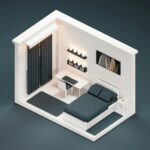

Floor beds challenge conventional bedroom hierarchy by bringing your sleeping surface closer to earth and focusing your design intentions clearly.
You’ll find they’re not simply mattresses abandoned on hardwood; they’re deliberate choices that reshape how rooms function.
From Montessori-inspired frames prioritizing child autonomy to Japanese futons that vanish into storage, these nine distinct approaches each solve different spatial and stylistic problems.
What separates intentional floor beds from haphazard ones comes down to layering, lighting, and strategic placement decisions.
Montessori Floor Beds: Safe, Independent Sleep for Kids
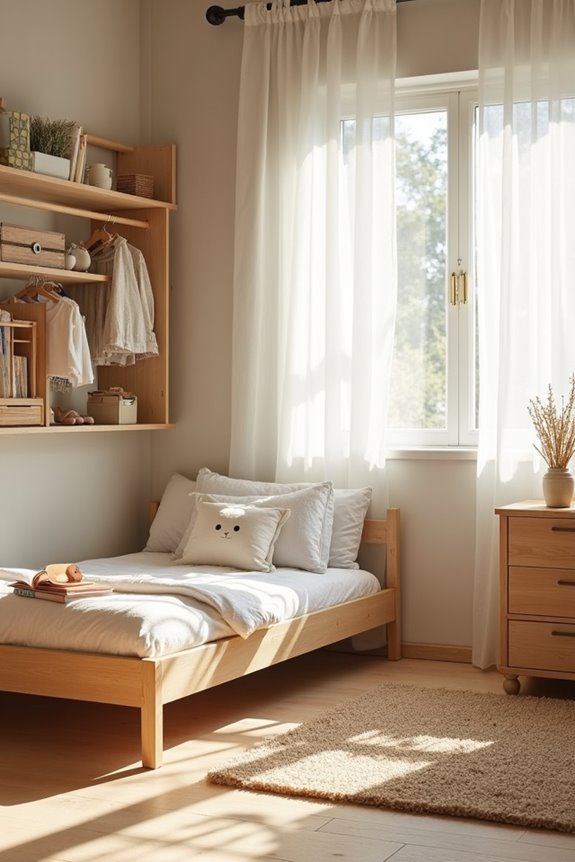
How does a child’s sleeping environment shape their autonomy? Montessori Floor Beds eliminate barriers between kids and their rest space, positioning mattresses directly on hardwood or laminate floors without railings or elevated frames. This design fosters independence by enabling children to enter and exit bed autonomously, supporting self-directed sleep routines. The low-height construction, typically 6-10 inches, combined with rounded edges and firm support provides safety while accommodating growing bodies. Pairing these beds with under-bed storage containers organizes blankets and clothing, reinforcing organizational habits. Placement near windows with adjacent soft rugs encourages natural curiosity about their environment. The Floor Bed concept integrates with other Montessori-inspired elements, creating spaces where children develop agency through hands-on learning and structured routines.
Japanese Futon Beds: Minimalism That Packs Away
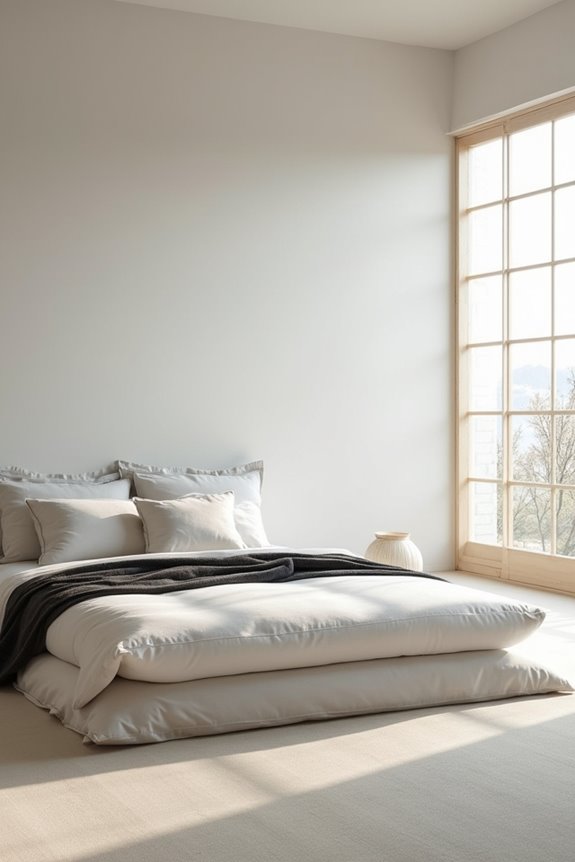
Japanese futon beds represent a departure from Western bedroom conventions, stripping away the bulk of traditional frames to create sleeping arrangements that dissolve into your living space during daylight hours. You’ll find that tatami mats, woven from natural rush and rice straw, form the foundation and naturally reduce dust mites while regulating humidity for a cleaner sleep environment. This floor bed design embraces minimalism by eliminating bulky furniture, which encourages daily movement and a lightweight aesthetic. Your futon rolls away each morning, freeing space for yoga or meditation. Zabuton cushions add comfort without elevation, while sliding shoji screens manage light subtly. The setup channels Eastern-inspired calm through natural materials and low-height positioning, creating an uncluttered bedroom that adapts seamlessly to your evolving needs.
Low Platform Floor Bed Frame: Modern Zen Without the Bulk
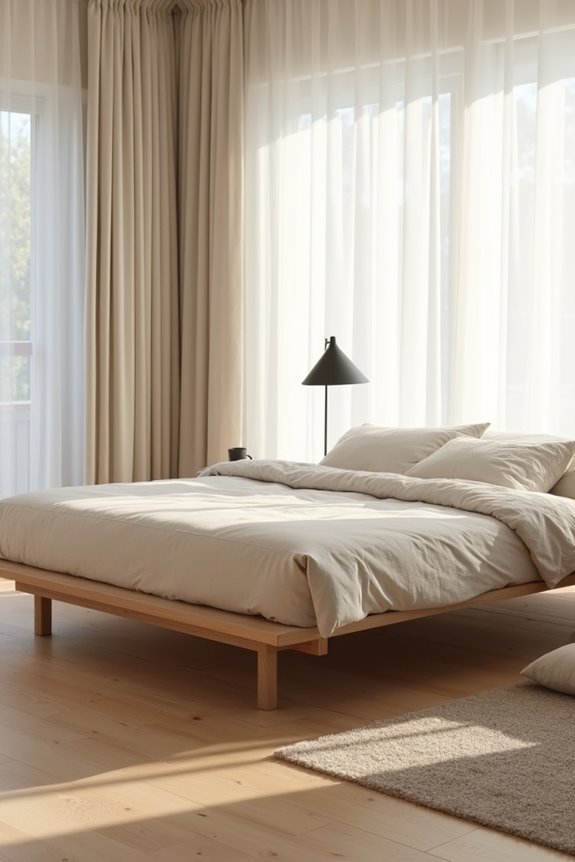
Where does minimalist bedroom design find its truest expression? A low platform floor bed delivers it, sitting mere inches above the floor and creating the airy, uncluttered space you’re seeking.
A low platform floor bed delivers minimalist bedroom design’s truest expression, creating airy, uncluttered spaces through intentional restraint.
This floor bed style embraces material honesty through several key elements:
- Natural wood tones like light oak that ground the space authentically
- Matte black steel frames offering contemporary restraint
- Slatted bases promoting mattress breathability without bulk
- Floating nightstands maintaining visual clarity
- Sculptural floor lamps that replace cluttered traditional fixtures
The minimalist design prioritizes clean lines and easy cleaning underneath. The platform eliminates visual heaviness while enabling discreet under-bed storage. Paired with neutral textiles and simple décor, this approach aligns perfectly with Scandinavian-inspired palettes. The result is a bedroom that communicates calm through restraint rather than ornamentation.
Floor Bed in an Alcove: Transform Awkward Spaces Into Cozy Retreats
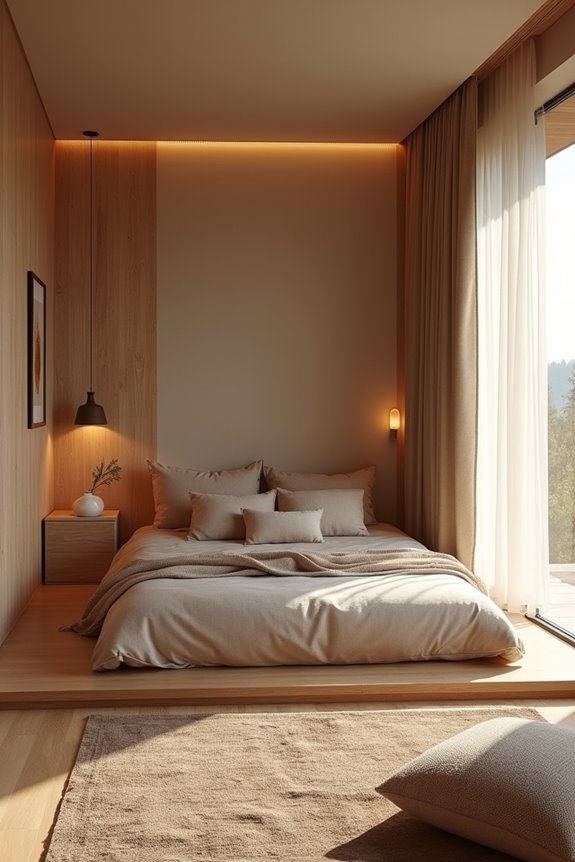
Alcoves, whether nestled beneath staircase overhangs or carved into attic slopes, present spatial challenges that traditional bed frames cannot easily resolve. A floor bed offers a practical solution for reclaiming otherwise unusable square footage. Position your mattress flush against the wall, leveraging the alcove’s angles to create a daybed aesthetic while maintaining accessibility.
Layer twinkle lights and sheer curtains around the perimeter to diffuse soft illumination throughout the space. For adult spaces, sound-absorbing panels or velvet drapes enhance privacy and minimize noise transfer. Install low-profile shelves along the alcove’s sides to provide convenient storage without compromising the sleeping area’s flow. This strategic approach maximizes your floor bed’s potential within architectural constraints, converting dead space into an intentional sanctuary.
Boho Mattress on Floor: Global Style and Seasonal Textiles
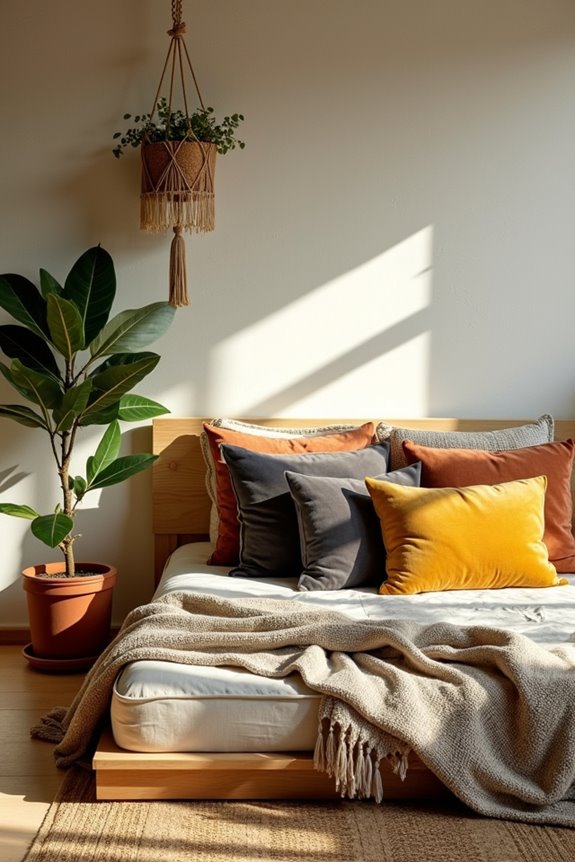
I’ve created a boho floor bed setup that draws inspiration from global textiles; think Turkish kilim rugs in rust and indigo, embroidered pillows from Morocco, and batik throws from Indonesia. These pieces anchor the aesthetic without requiring permanent installation. Swapping your bedding seasonally keeps the space dynamic while maintaining that relaxed, travel-inspired vibe. Introduce terra-cotta linen for autumn or lightweight cotton prints for summer to maintain visual interest throughout the year. This approach turns your mattress-on-floor arrangement into a cozy nest where layered textures and easily changeable fabrics do the heavy lifting instead of bulky furniture.
Global Prints and Textiles
Layering global textiles creates a floor bed with cultural depth that adapts across seasons. Combining diverse patterns and weaves builds visual richness while earthy color palettes maintain cohesion.
- Kilim rugs (5×7 ft) anchor the floor bed with geometric patterns and natural dyes
- Embroidered pillows from Morocco or India contribute texture and cultural authenticity
- Batik throws introduce summer freshness through indigo and earth-tone prints
- Terra-cotta fabrics and rust-hued textiles define autumn’s warm aesthetic
- Global prints layer without competing when you select complementary color families
Textile selection matters when building a floor bed that feels deliberate. These materials, sourced from artisan communities, establish a nomadic quality that reads as considered rather than temporary. The textiles’ natural fibers respond to seasonal changes, adapting your sleeping space to environmental shifts while sustaining that lived-in warmth.
Seasonal Bedding Swaps
Once you’ve established your foundation with global textiles, a floor bed offers genuine flexibility through strategic seasonal swaps that keep your sleeping space responsive to climate and mood. I rotate my seasonal bedding quarterly; terra-cotta linen covers and chunky knit throws for fall, lightweight batik patterns and breathable cotton for summer. This approach refreshes your floor mattress without relocating furniture. Swapping boho textiles updates the entire aesthetic while maintaining cohesion. I layer faded kilim rugs and embroidered pillows beneath, anchoring seasonal changes with a stable foundation. By switching covers and throws strategically, you respond to temperature shifts and visual preferences at once. The floor bed’s portability makes these transitions fluid, allowing your bedroom to evolve without disrupting your sanctuary’s essential character.
Cozy Nest Atmosphere
How does a mattress placed directly on the floor become an intentional design choice rather than a temporary setup? When you layer boho textured textiles strategically, your floor bed becomes a curated space that invites both rest and belonging.
- Faded kilim rugs anchor the mattress, establishing visual grounding and cultural authenticity
- Embroidered pillows in varying heights create natural elevation without frame structures
- Crocheted throws add tactile warmth while maintaining breathable, lightweight aesthetics
- Terra-cotta and batik patterns shift seasonally, keeping your bedroom perpetually refreshed
- Layered cushions and mats build dimensional comfort that encourages extended lounging
This approach prioritizes texture over formality. The floor bed concept eliminates barriers between you and your sleeping surface, fostering intimacy with your space. By incorporating global-inspired patterns and natural fabrics, you construct a lived-in aesthetic that communicates permanence through intentional simplicity rather than conventional bedroom structures.
Floor Bed With Floating Shelves: Accessible Storage Replaces Nightstands
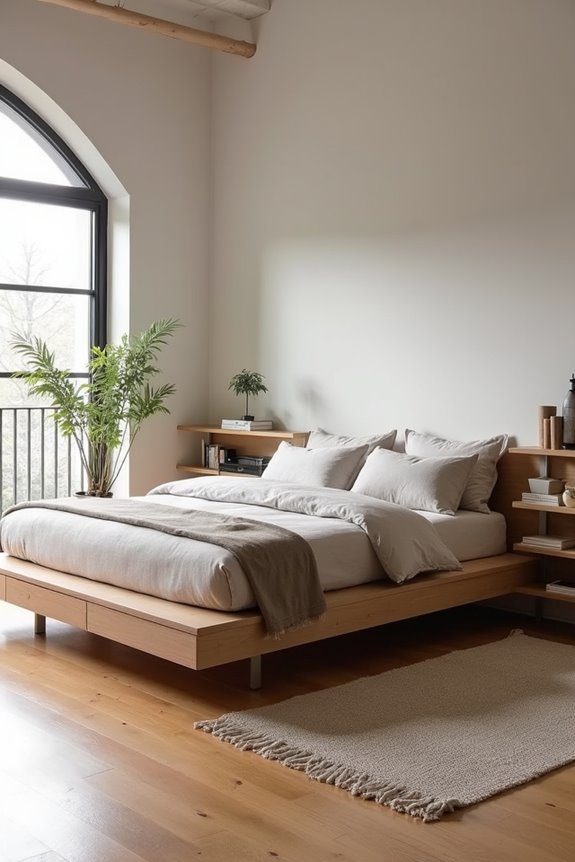
Mounting slim floating shelves at bed level, typically 24 to 30 inches wide and 8 to 10 inches deep, eliminates the need for traditional nightstands while keeping essentials like water glasses, books, and chargers within arm’s reach. This nightstand-free approach maximizes floor space in compact bedrooms, particularly when paired with low-profile platforms or direct mattress-on-floor setups. The vertical storage prevents the visual clutter that bulky furniture creates.
You can personalize these shelves with small keepsakes or a nightlight. The result is practical storage that also functions as a curated display, reinforcing a minimalist aesthetic without sacrificing accessibility.
Nightstand-Free Design Advantages
Why clutter your bedroom floor when wall-mounted floating shelves can deliver the same functionality with cleaner sight lines?
A nightstand-free design eliminates bulk while maintaining accessibility. Your floor bed gains breathing room, and the floating shelves system provides dedicated storage without visual noise. This approach works particularly well in smaller bedrooms where traditional furniture consumes valuable square footage.
Nightstand-Free Design Advantages:
- Open floor space reduces tripping hazards and enhances safety
- Wall-mounted shelves keep essentials within arm’s reach during sleep
- Eliminates dust accumulation underneath bulky bedroom furniture
- Creates visual continuity with minimal interruption to sightlines
- Simplifies cleaning routines and maintenance schedules
The floating shelves strategy supports your floor bed’s minimalist aesthetic while preserving practical storage. By relocating nightstand functions upward, you create a calm, organized environment that prioritizes both form and function without compromise.
Accessible Storage Solutions
Floating shelves mounted at arm’s reach create an organized, functional bedside zone without relying on traditional nightstands. Slim, wall-mounted shelves work well for floor bed arrangements, particularly in households with children.
These shelves hold everyday essentials: water glasses, books, nightlights. They maintain clear sightlines around your low-profile bed while providing accessible storage without bulky furniture cluttering your floor space. I recommend 8-12 inch depths and 24-36 inch widths for balanced proportions.
Wall-level storage naturally encourages tidiness. Pair floating shelves with under-bed bins for hidden overflow storage. This combined approach maintains your floor bed’s minimalist aesthetic while keeping everything you need within arm’s reach, resulting in a clutter-free sleeping environment that feels organized and purposeful.
Low Daybed Floor Bed With Bolsters: Dual-Purpose Seating and Sleeping
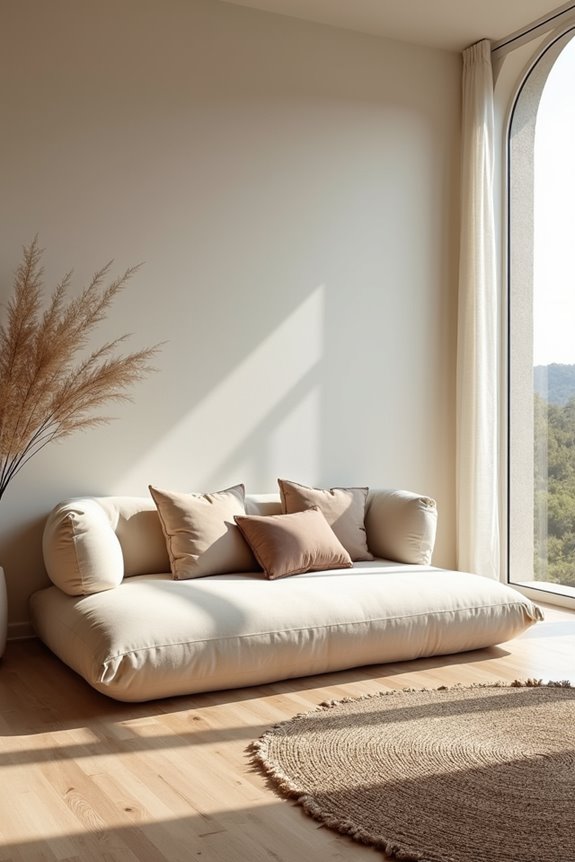
A low daybed with bolsters functions as both seating and sleeping surface without requiring separate furniture pieces. This floor bed setup maximizes square footage while maintaining accessibility for grandparents, toddlers, and pets who navigate the space regularly.
Bolsters provide structured back support for reading, fort-building, and lounging activities. Natural light from nearby windows creates an ideal morning-coffee spot beneath sills. Chunky knit throws or global-printed quilts emphasize comfort and cozy aesthetics. The low profile design enables easy supervision and sight lines across rooms. Dual-purpose seating and sleeping eliminates furniture clutter without sacrificing functionality.
The arrangement pairs minimal elevation with maximum versatility. Strategically placed bolsters enhance the low daybed’s utility, eliminating the need for additional pillows while supporting various daytime activities. This approach simplifies bedroom design through intentional spatial planning.
Canopy Floor Bed: Add Drama and Privacy to Ground-Level Designs

A canopy floor bed offers a practical way to add visual interest and define private sleeping zones without installing permanent walls. Sheer curtains and lightweight linens draped over frame brackets create layered depth, while shelf brackets secured to wall studs or floor anchors provide the structural support needed for a stable setup. This design maintains the open, airy quality that makes ground-level beds appealing.
This approach works particularly well in shared bedrooms where you need to separate individual sleeping areas. In smaller spaces, it also provides a more proportional alternative to traditional bedroom divisions that can feel overly substantial. The key to success lies in proper installation; securing brackets to studs or using floor anchors prevents sagging and ensures the canopy functions as intended.
The layered fabric creates visual complexity without requiring structural modifications to the room. You can adjust the draping, swap out fabrics seasonally, or remove the canopy entirely if your needs change. Ground-level beds with canopies suit various design directions, from minimalist interiors to rooms with more decorative elements.
Drama Through Fabric Layers
Canopy floor beds create visual drama at ground level through suspended or draped textiles. Layering fabrics strategically achieves what heavier frames cannot: spatial definition paired with airiness.
Consider these approaches:
- Sheer linen drapes suspended from ceiling brackets soften light while maintaining openness
- Bead curtains create subtle room divider effects without blocking sightlines
- Cotton canvas layers add texture and depth to neutral palettes
- Multiple fabric weights, combining gauzy overlays with denser cotton, establish visual hierarchy
- Neutral tones (cream, soft gray, natural linen) preserve calm aesthetics despite dramatic overhead elements
The fabric canopy approach preserves floor accessibility while establishing distinct sleeping zones. Natural textiles like linen and cotton provide the lightweight quality necessary for this design strategy, allowing you to achieve layered, dramatic results through intentional fabric combinations rather than structural furniture pieces.
Privacy Without Full Walls
How do you create a secluded sleeping zone without constructing permanent walls or sacrificing your room’s open feel? A canopy floor bed accomplishes this balance through suspended fabric. You’ll secure lightweight materials (sheer voile or medium-weight linen) using shelf brackets or ceiling hooks that define your sleeping space without enclosure. The fabric frames your mattress visually while maintaining sightlines throughout the room, which matters in shared bedrooms where supervision is necessary. Denser textiles like cotton canvas provide enhanced privacy when desired, whereas gauzy fabrics preserve airiness. This layered approach absorbs sound effectively, creating acoustic separation that strengthens the retreat feeling. By selecting fabrics that complement existing décor and scaling dimensions to your room proportions, you establish a personal sanctuary that preserves the bedroom’s openness while signaling a distinctly private zone for sleep.
Structural Support And Installation
Once you’ve settled on your fabric choice and envisioned how it’ll frame your sleeping zone, the actual installation determines whether your canopy floor bed stands stable or sags under its own weight.
Your structural support relies on these key elements:
- Shelf brackets mounted to adjacent walls at consistent heights (typically 7-8 feet)
- Wall anchors rated for your fabric weight plus hardware load
- Corner posts or tension rods connecting frame points securely
- Low-profile framing that complements ground-level placement aesthetics
- Regular hardware inspections to prevent sagging over time
The floor bed canopy’s stability depends on proper anchoring rather than bed height. Wall-mounted hardware distributes weight evenly, preventing stress concentration. Lightweight linen or voile fabrics reduce structural demands while maintaining visual drama. Your installation approach makes the canopy a dependable architectural feature that truly delineates your sleeping space without compromise.
Floor Bed With Window Nook: Maximize Natural Light and Connection

Why settle for a bedroom that ignores its most valuable architectural asset? Positioning your floor bed within a window nook places natural light directly into your sleeping area throughout the day. This strategic placement creates unobstructed sightlines to the outdoors, establishing a genuine connection between interior rest and exterior calm.
Soft linen or cotton textiles paired with sheer curtains reinforce coziness while maintaining visibility for supervision and accessibility. Layer in complementary elements: potted plants, light drapery, and a nearby natural fiber rug. These details define the zone without introducing bulky furniture.
For functional versatility, utilize under-bed storage or floating shelves to preserve the open, airy aesthetic. This approach balances ventilation and warmth, keeping your floor bed setup both visually spacious and physically comfortable year-round.
Lighting and Textiles: Making Floor Beds Feel Intentional (Not Unfinished)
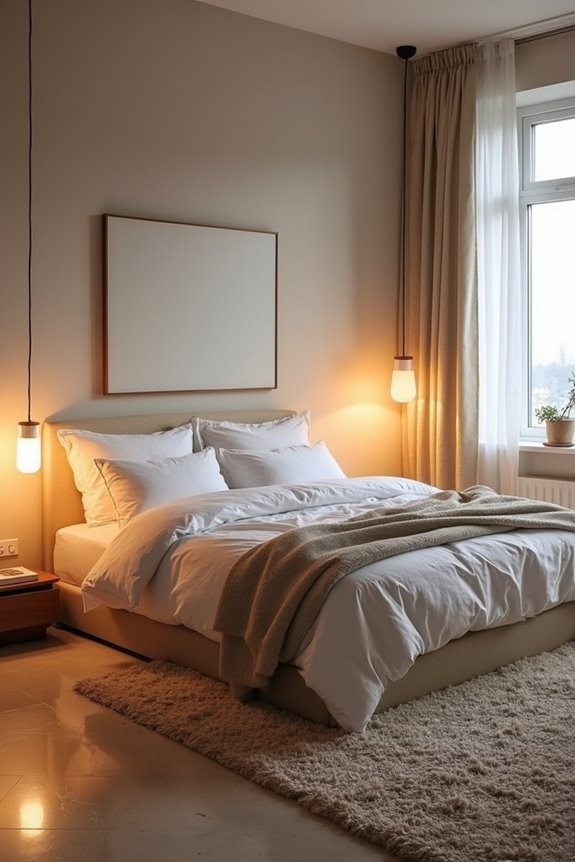
Lighting and Textiles: Making Floor Beds Feel Intentional (Not Unfinished)
The difference between a floor bed that feels intentional and one that appears unfinished often comes down to two design elements: strategic lighting and thoughtfully layered textiles.
- Wall sconces positioned on both sides frame your bed and eliminate dark, bare flooring beneath the mattress
- Soft, textured textiles, such as chunky knit throws and linen bedding in calm color palettes, signal a curated, finished aesthetic
- Ambient string lighting or suspended pendants add warmth without overwhelming the focal point
- Built-in underbed storage or floating shelves define purposeful zones and eliminate visual clutter
- A nearby rug creates clear transition boundaries, preventing the floor bed from feeling temporary
Your lighting strategy works to establish a minimalist setup as a designed sanctuary. Layering textiles with intentional texture and color strengthens the entire composition, anchoring the floor bed as a deliberate choice rather than a space-saving compromise. These elements work together to establish belonging within your personal retreat.