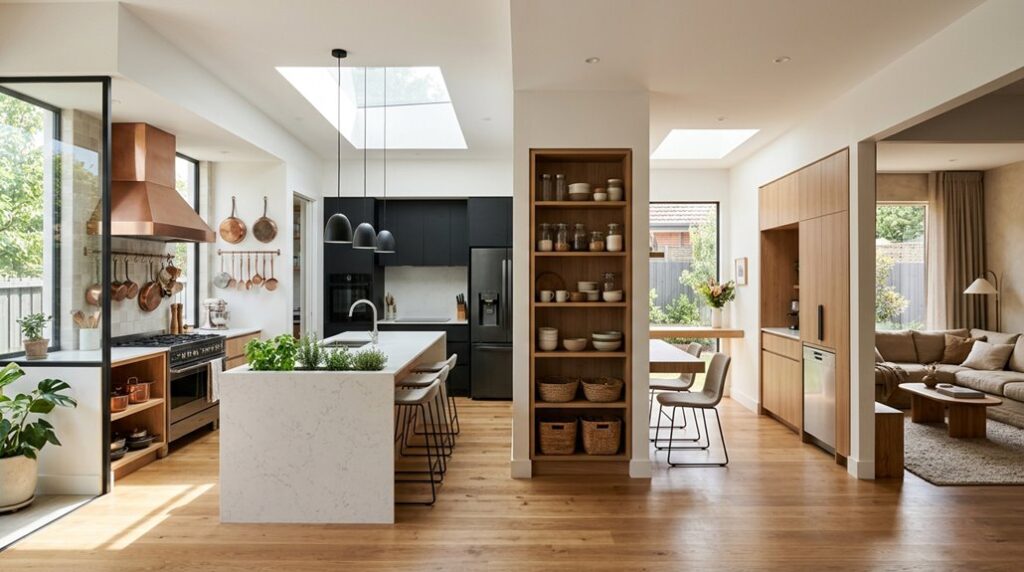
I’m here to help you understand how open-kitchen design improves your home’s functionality and flow. By removing physical barriers and strategically layering lighting, you’ll create spaces where cooking, dining, and living blend seamlessly.
The key isn’t just demolishing walls. It’s thoughtfully connecting zones through material choices, storage solutions, and purposeful design decisions. Let’s explore how these seven strategies work together to maximize your space’s potential.
Open Up Walls to Connect Your Kitchen and Living Areas
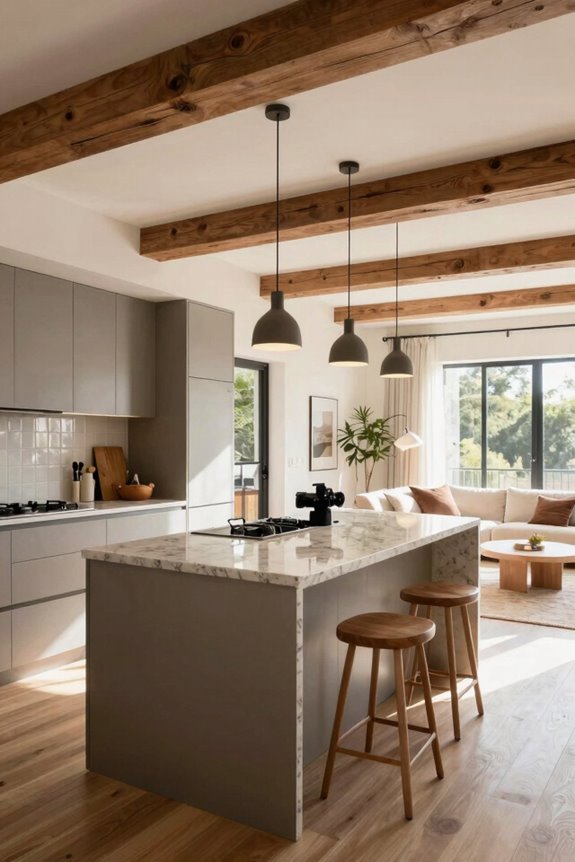
Why do so many contemporary homes blur the boundaries between kitchens and living spaces? Opening walls creates an open-concept layout that changes how families interact daily. When you remove walls or install large pass-throughs, you eliminate physical barriers that once isolated cooking zones from lounging areas. This connectivity encourages social interaction; you’re cooking while guests relax nearby, fostering engagement rather than separation.
Consistent design elements unify these connected spaces. Matching cabinetry finishes and cohesive flooring establish visual continuity, making transitions smooth. Strategic lighting through pendant fixtures and under-cabinet LEDs reinforces openness while maintaining functional zones.
This approach doesn’t require expanding square footage. Instead, it maximizes existing space psychologically and functionally, creating environments where cooking, entertaining, and daily living merge naturally into one cohesive design.
Design an Island or Peninsula as Your Kitchen’s Heart
I’ll position an island or peninsula as a multifunctional centerpiece in your kitchen that anchors the space while fostering natural conversation between cooking and living zones. You can strategically place a 4-foot to 6-foot island with waterfall-edge countertops in materials like quartz or marble to create visual continuity with your cabinetry, while incorporating built-in seating on one side and pull-out cutting boards or drop-down leaves on the other to maximize usable prep surface.
A peninsula layout works equally well in narrower kitchens, extending from existing cabinetry to define zones without closing off sight lines. Coordinating your island’s hardware finish—brushed nickel or matte black—with surrounding fixtures reinforces the unified open-concept flow that modern design demands.
Island as Social Hub
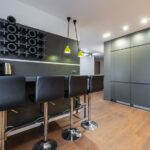
How can a single architectural element make your kitchen feel like more than just a cooking workspace? Your island becomes the social hub when you design it intentionally. Built-in seating along one side invites casual dining while you prep meals. Multi-purpose islands incorporate storage, appliances, and prep zones without sacrificing workflow.
Pendant lighting suspended above creates visual interest and establishes intimate conversation areas. Extended countertops or waterfall edges draw guests naturally toward the island’s edge.
Strategic placement matters significantly. You’ll want adequate circulation around the island so movement feels easy during larger gatherings. The scale should balance with surrounding zones, maintaining clear sightlines throughout your open kitchen. When properly proportioned, your island fosters inclusivity; everyone participates in the action regardless of where they stand. This thoughtful arrangement turns casual moments into meaningful connections.
Peninsula Layouts for Flow
Where an island demands a freestanding footprint, a peninsula offers a more adaptable solution that anchors your kitchen’s heart while maintaining the open-concept aesthetic. I’ve found that peninsulas create natural transitions to dining or living areas without sacrificing sightlines or social interaction.
You’ll want to maximize function by incorporating built-in storage, seating for 2–6 people, and integrated appliances within this centralized zone. Layered lighting proves essential: under-cabinet LEDs provide task illumination, while pendant fixtures define the peninsula as a gathering point and enhance overall flow.
Material and color continuity with surrounding cabinetry and countertops establishes cohesion, making your peninsula feel like a seamless kitchen element rather than an afterthought. This unified approach improves how your family moves through and connects within the space.
Anchor Your Space With Light Colors and Bright Finishes
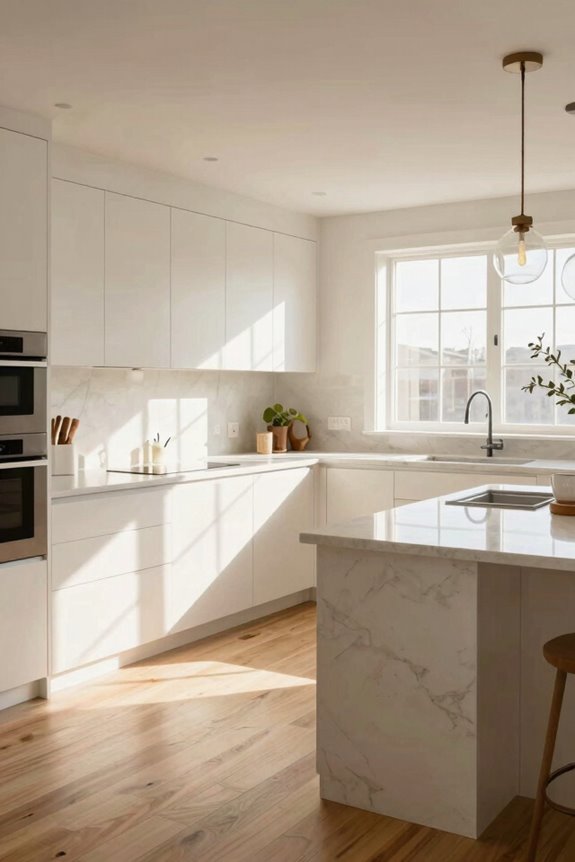
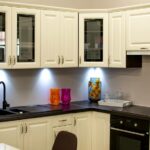
Why do light colors and reflective surfaces have such a significant impact on open kitchens? They expand perceived square footage while creating cohesion across your open-concept layout. I’d recommend pairing white cabinetry with bright countertops and glass-front cabinets to maximize natural light penetration. These elements brighten work zones without overwhelming the space.
| Design Element | Material | Benefit |
|---|---|---|
| White Cabinetry | Lacquered finish | Reflects light throughout kitchen |
| Bright Countertops | Quartz or marble | Amplifies natural illumination |
| Glass-Front Cabinets | Tempered glass doors | Maintains visual openness |
Strategic under-cabinet lighting enhances visibility while mirrored backsplashes bounce light around corners. Coordinating off-white tones across cabinetry, flooring, and furniture reinforces this airy atmosphere, anchoring your design with intentional brightness that connects every zone seamlessly.
Use Strategic Lighting to Define Zones Without Doors
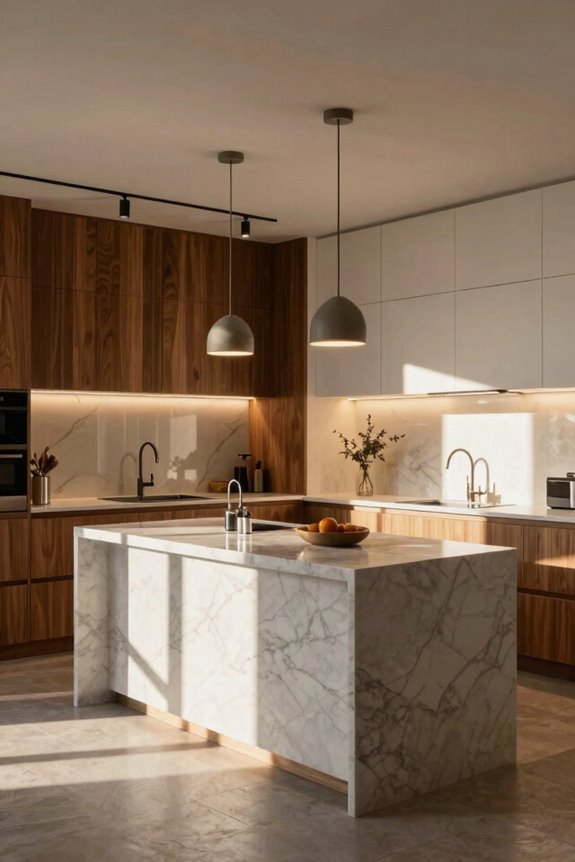
Pendant lights hung 30-36 inches above your kitchen island or dining table create visual anchors that establish distinct culinary and gathering zones, while layered lighting—combining ambient overhead fixtures, task lighting, and accent sources—compensates for the missing walls that traditionally separate open-plan spaces.
Pendant Lights Define Kitchen Zones
How can you separate your kitchen’s prep area from its dining space without constructing walls or installing pocket doors? Pendant lights offer an elegant solution. I’ve found that strategically grouped pendants over your island create visual definition and establish distinct kitchen zones through upward focal points. This island lighting simultaneously delivers task lighting for cooking while contributing ambient illumination that shifts throughout the day.
| Feature | Benefit | Application |
|---|---|---|
| Grouped pendants | Zone separation | Above island prep area |
| Varied styles | Spatial contrast | Between cooking and dining |
| Coordinated finishes | Cohesive design | Matching cabinetry colors |
| Proper height | Task + ambient light | 30-36″ above countertop |
Patterned or mixed pendant designs reinforce your open-concept layout’s functional transitions. Coordinating finishes with existing cabinetry and countertops maintains visual harmony while subtly marking kitchen zones without structural barriers.
Layered Lighting Creates Visual Separation
While pendant lights establish visual anchors, a comprehensive layered lighting approach combines ambient, task, and accent sources to define distinct zones in open-concept kitchens without requiring walls or doors. I’ve found that under-cabinet LED strips deliver focused task lighting at prep surfaces, creating functional work areas that feel distinct from living spaces.
Pendant lights over islands establish secondary gathering zones. Dimmer controls on all lighting layers allow you to adjust mood and zone separation as activities shift throughout the day. Maintaining consistent color temperature, with 2700–3000K for warm zones and 3500–4000K for brighter work areas, ensures visual continuity while signaling boundaries.
Strategic placement of higher-intensity lighting over work zones and softer illumination in dining areas creates perceived spatial differentiation that enhances your open kitchen’s functionality and atmosphere.
Hide Clutter With Smart Corner Drawers and Hidden Storage
Kitchen corners often become dead zones, spaces where items disappear into shadow and inaccessibility, but strategic corner drawer systems make these awkward angles into functional storage that actually works. You’ll reclaim hidden voids while maintaining your open-concept kitchen’s clean appearance.
Strategic corner drawer systems transform kitchen dead zones into functional storage, reclaiming hidden voids while maintaining your open-concept kitchen’s clean appearance.
Smart corner solutions include:
- Pull-out lazy Susan shelves for cookware and lids
- Deep corner drawers for bulky skillets and sheet pans
- Under-cabinet lighting that eliminates visibility shadows
- Swing-out cabinet doors that maximize access angles
- Matched hardware and finishes for a unified design
These clever storage solutions significantly reduce clutter. Corner cabinets with pull-out shelves offer easier access than traditional doors, while integrated under-cabinet lighting helps you locate items instantly.
Matched finishes across your corner drawers and surrounding cabinetry maintain that streamlined, uncluttered feel your open-concept kitchen demands. This creates a sense of harmony through deliberate design choices.
Match Your Flooring and Ceilings for a Seamless Look
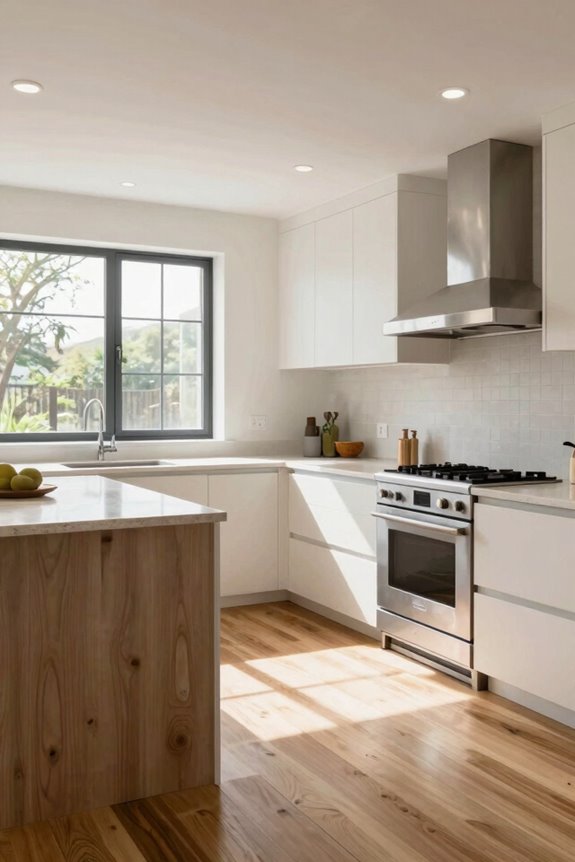
Three critical design choices—flooring material, ceiling finish, and their tonal relationship—determine whether your open kitchen feels fragmented or unified. I’d recommend selecting matching flooring and ceiling treatments that create a seamless look throughout your open-concept space.
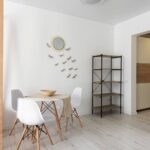
When you repeat the same plank pattern or tile finish from kitchen into adjacent dining areas, you establish visual continuity that strengthens unified design. Light-colored materials amplify reflectivity, brightening your open-kitchen spaces considerably.
Coordinated ceiling details; identical paint colors or subtle crown molding transitions minimize visual breaks that interrupt sightlines. This matching approach reduces interruptions in your visual field, reinforcing the expansive feeling characteristic of open-concept layouts. Consistent material tones support your ceiling treatment strategy, ultimately creating the visual flow that combines separate zones into one unified environment.
Add Personality Without Blocking Sightlines
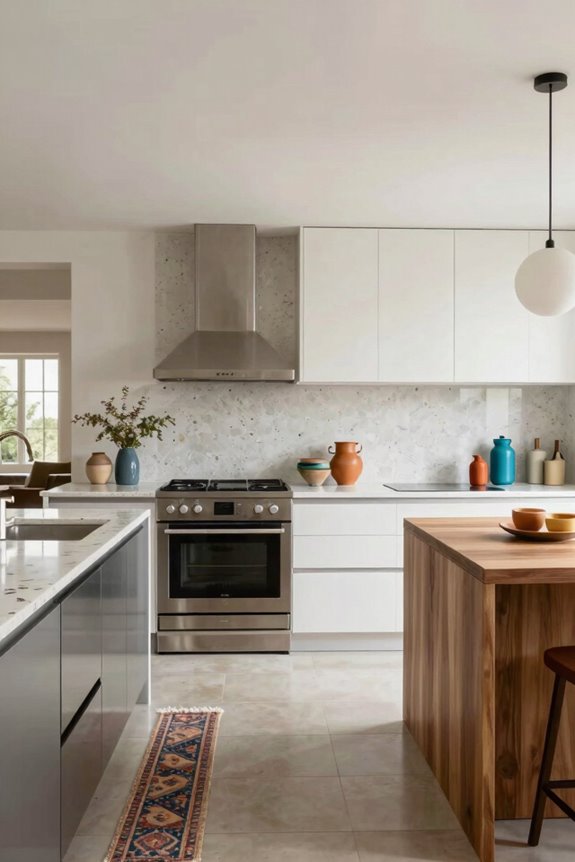
How do you infuse character into an open kitchen without sacrificing the visual spaciousness that defines the layout? Strategic design choices let you personalize your open-concept space while maintaining clear sightlines.
Consider these approaches:
- Open-shelf displays paired with glass-front cabinets showcase curated items without visual obstruction
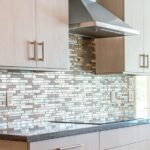
- A bold color accent on your island or backsplash adds personality while preserving openness
- Furniture-style elements like upholstered bar stools convey personality within the airy footprint
- Mixed materials, wood, stone, metal, introduce texture on a restrained palette
- Vintage finds displayed alongside modern appliances blend heritage with contemporary design
These methods work because they layer personality through focal points rather than filling every surface. Your eye travels across the space uninterrupted while discovering meaningful details.
This balance makes your kitchen an inviting gathering place that feels both expansive and distinctly yours.